-
- Maintaining fluid balance
- Measurement of intake and output
- Fluids to be measured
- Nursing responsibility: To identify when fluids should be measured
- Receiving IV therapy
- Who underwent major surgery
- Receiving diuretic or corticosteroid therapy
- With severe thermal burns or injuries
- With renal disease or damage
- With congestive heart failure
- With dehydration
- With diabetes mellitus
- With oliguria
- In respiratory distress
- With chronic lung disease
- Diaper weighing technique
- 1 g of wet diaper weight = 1 mL urine
- Special needs when the child is not permitted to take fluids by mouth
- To ensure that they do not receive fluids
- A sign can be placed in some obvious place, such as over their beds or on their shirts, to alert others to the NPO status.
- To prevent the temptation to drink
- Fluids should not be left at the bedside.
- Oral hygiene, a part of routine hygienic care, is especially important when fluids are restricted or withheld
- Young children who cannot brush their teeth or rinse their mouth without swallowing fluid, the mouth and teeth can be cleansed and kept moist by swabbing with saline-moistened gauze.
- To ensure that they do not receive fluids
- Measurement of intake and output
- Maintaining fluid balance
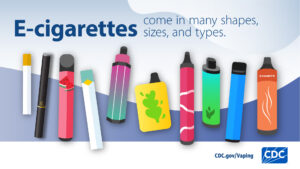
E-Cigarettes (Vapes)
AT A GLANCE Electronic cigarettes (e-cigarettes) are sometimes called e-cigs, vapes, vape pens, and electronic nicotine delivery systems (ENDS). E-cigarettes come in many shapes and