AT A GLANCE
- Asthma is a leading chronic illness among children and adolescents in the United States.
- It is one of the leading causes of school absenteeism.
- Asthma-friendly schools create safe and supportive learning environments for students with asthma.
Facts
On average, in a classroom of 30 children, about 3 are likely to have asthma.
Low-income populations, people from racial and ethnic minority groups, and children living in inner cities are especially affected. They experience more emergency department visits, hospitalizations, and deaths due to asthma than the general population.
Health impacts
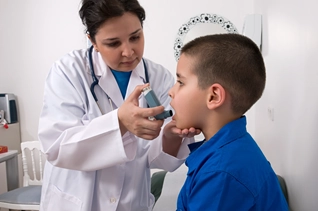
When children and adolescents are exposed to things in the environment—such as dust mites and tobacco smoke—an asthma episode can occur. These things are called asthma triggers.
Asthma symptoms can be controlled by avoiding triggers and taking prescribed medications, if needed. Asthma is common but treatable. Treatment based on current scientific knowledge reduces both illness and future episodes.
Recommendations
Managing asthma in schools
Research and case studies have looked at ways to best manage asthma in schools. Researchers found that successful school-based asthma programs do the following:
- Establish strong links with asthma care providers to ensure proper, ongoing medical care.
- Identify students who are the most affected by asthma at school.
- Intervene with students in greatest need.
- Get administrative buy-in and build a team of enthusiastic staff, including a full-time school nurse, to support the program.
- Use a coordinated, multi-part, and collaborative approach. This includes school nursing services, and professional development for school staff.
- Provide appropriate school health services for students, ensuring that students take their medicines and learn to use them when needed.
- Provide asthma education for students with asthma and awareness programs for students, school staff, parents, and families.
- Provide a safe and healthy school environment to reduce asthma triggers.
- Offer safe and enjoyable physical education and activities for students with asthma.
- Support evaluation of school–based programs, and use appropriate outcome measures.
Original Article – https://www.cdc.gov/school-health-conditions/chronic/asthma.html