Diagnostic studies
- Diagnostic assessment
- History and physical examination, including an ophthalmic examination
- Routine urinalysis
- Basic metabolic panel (serum glucose, sodium, potassium, chloride, carbon dioxide, BUN, and creatinine)
- Complete blood count
- Serum lipid proile (total lipids, triglycerides, HDL and LDL cholesterol, total-to-HDL cholesterol ratio)
- Serum uric acid, calcium, and magnesium
- 12-lead electrocardiogram (ECG)
- Optional:
- 24-hr urinary creatinine clearance
- Echocardiography
- Liver function studies
- Serum thyroid-stimulating hormone (TSH)
- Management
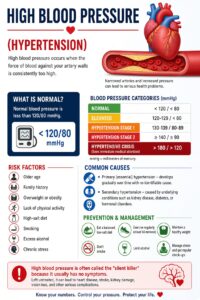
- Periodic monitoring of BP
- Home BP monitoring
- Ambulatory BP monitoring
- Every 3-6 months by a HCP once goal BP is achieved and stabilized
- Nutritional therapy
- Restrict salt and sodium
- Restrict cholesterol and saturated fats
- Maintain adequate intake of potassium, calcium, and magnesium
- Weight management
- Regular, moderate physical activity
- Tobacco cessation
- Moderation of alcohol intake
- Stress management techniques
- Antihypertensive drugs
- Patient and caregiver teaching